
Food: it’s that thing we’re all required to consume on a regular basis in order to stay alive. But there are many foods that people in various places around the world aren’t allowed to eat. There are a lot of reasons these bans have been put in place, ranging from safety concerns, to environmental concerns, to just thinking that nobody else should have to smell your gross food. Today we’ll be looking at 50 foods and additives and the reasons that got them banned.
Kinder Surprise Eggs
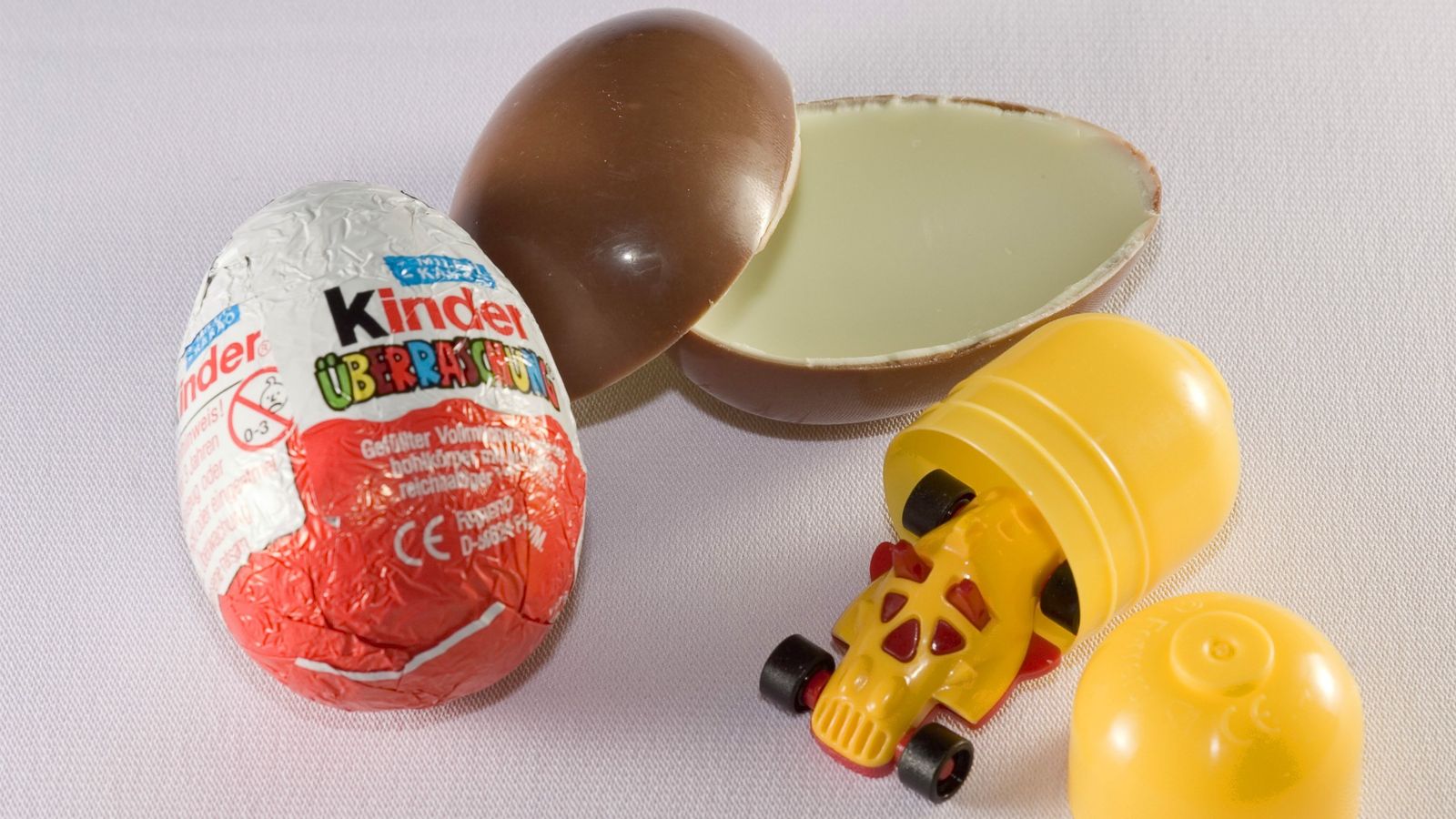
Although many people believe from the name Kinder that these treats originate in Germany, Kinder Surprise Eggs are a product of the Italian company Ferrero. The popular treat consists of a chocolate egg containing a yellow capsule with a toy inside. They are also illegal in the United States under the Federal Food, Drug, and Cosmetic Act of 1938.
According to the law, no confectionary can contain a “non-nutritive object”, meaning you can’t have toys embedded inside your candy. Note that things like cereal and cracker jacks were able to comply with this law because the toys inside those boxes were mixed in with food rather than embedded in them, and they usually were wrapped separately as well.
Key Takeaways
- Kinder Surprise Eggs are illegal in the US due to a law prohibiting non-nutritive objects in candy.
- Escolar fish is banned in Japan and Italy due to its tendency to cause gastrointestinal issues.
- Haggis is illegal in the US because it contains sheep lungs, which are banned.
- Four Loko was banned in the US due to its high alcohol and caffeine content, which led to excessive drinking.
- Sea turtle meat is illegal in most places due to conservation efforts to protect endangered species.
Many American viewers may be shocked to learn that Kinder Surprise Eggs are illegal in the United States, believing that they have seen them in stores. This is not the case, and the product available in the US is instead called Kinder Joy. Rather than having toys inside a chocolate egg, Kinder Joy features a plastic egg that breaks apart into two halves. One half contains the toy, and the other half contains the chocolate.
Escolar
The escolar is regarded as one of the most delicious fish in the world. It is sometimes sold under the names “white tuna” or “butterfish” (which are usually used to refer to two other fish) to avoid labeling the product as escolar. So why would people not want to advertise that they were serving the tastiest fish in the world?
As it turns out, the reason escolar tastes so good is also a bit of a gastrointestinal problem for humans. The escolar’s diet consists of a lot of wax esters, a type of fatty acid that the fish is unable to metabolize. This results in the fish having a roughly 20% fat content, which is what gives it such a rich and appealing flavour.
Unfortunately for anyone who eats this fish, humans also can’t digest the wax esters. Instead they build up in the colon until they finally result in keriorrhea, a special type of diarrhea that is orange and oily. At least 1 in 4 people who consume escolar will experience this negative side effect, and some studies have put that number as high as 80%.
Because of the unwanted effects of consuming escolar, the fish has been banned in both Japan and Italy. Many other countries also require warning labels when selling escolar, and it is strongly recommended not to eat more than a six ounce serving.
Haggis
Haggis is the national dish of Scotland, and a traditional food of which they are quite proud. And who wouldn’t be? What could possibly sound more appetizing than a sheep’s heart, liver, and lungs mixed with onions, oatmeal, and suet, then encased and cooked inside the sheep’s stomach.
It is described as a delicious and savory dish, and it is truly beloved in Scotland. But in the US where most people don’t consume offal, it sounds rather unappealing. And there’s no way to change their mind, as traditional haggis is illegal in the United States.
In 1971, the US banned any foods containing lungs from livestock. This was done over concerns that the process of slaughtering animals could trap fluids like stomach acid inside the lungs. As a result, it became illegal to import traditional haggis from the UK.
Of course, there are companies in the US that make a slightly more Americanized version of haggis. These recipes do not include the lungs, and they often use an artificial casing rather than the actual stomach. Whether it could even still qualify as haggis at that point is a matter of opinion, with most Scots saying it absolutely does not.
Four Loko
Although you can still buy Four Loko, it’s nothing like the original formula that has been banned since 2010. The original version of Four Loko was up to 14% alcohol, making it substantially stronger than most beers. A single can also contained 156 mg of caffeine, which is about the same as two cans of Red Bull.
This wasn’t a novel concept. Major companies like Coors and Anheuser-Busch had been producing caffeinated beers as early as 2002, and even without such a product existing, college kids would mix Red Bull and vodka of their own accord. However, in 2009 the FDA informally asked the major companies to cut the shit, so they did.
This allowed smaller companies, most notably Phusion (the makers of Four Loko), to massively increase their market share, thus gaining the attention of the FDA. There were a number of serious concerns about these drinks, particularly that the large amount of caffeine masked the feelings of intoxication people rely on to know when they’ve have too much to drink already. People would drink excessively as a result, resulting in injuries and hospitalizations, and causing Four Loko to earn the nickname “blackout in a can”.
A number of college campuses and individual states banned these products, and at the end of 2010 the FDA officially banned them on the basis that caffeine was an “unsafe food additive” for products containing alcohol.
Sea Turtles
Turtles have been used as a source of food throughout the world for thousands of years, with the earliest known writings about human consumption of turtles dating back to Ancient China in the 5th century BC. For most people turtles were considered an exotic delicacy, while for those living in coastal areas they were one of the most reliable sources of protein.
People’s taste for turtles never really went away, which became a major problem since other animals found them so delicious as well. Only somewhere between 1 in 1,000 and 1 in 10,000 sea turtle eggs laid results in an offspring that survives until adulthood. So even though female sea turtles lay thousands of eggs over their lifetimes, they may only have a couple offspring that survive.
This means that humans hunting adult turtles, particularly females that haven’t finished laying eggs, can have a tremendous effect on the population. And that’s exactly what happened all around the world. Sea turtles were hunted nearly to the point of extinction, and as a result the hunting and consumption of sea turtles has been made illegal throughout most of the world. Unfortunately, while it is officially illegal in most places, some countries are far more lax with their enforcement of the sea turtle meat ban.
Foie Gras
Foie gras is a French delicacy. It is the liver of a duck or goose that is either served whole or used as a mousse, parfait, or pâté. By itself that would be fine, the issue comes with specifically how foie gras is cultivated, known as gavage. Gavage is a type of force feeding that dates back to at least 2500 BC, and it is considered to be exceptionally cruel, as the force feeding results in the bird’s liver growing to 10 times its normal size.
Because of the controversy surrounding foie gras and the animal cruelty involved, many countries have banned the production of foie gras. However, all of those countries still allowed its import and sale. Basically people still wanted to eat the livers of tortured ducks, they just didn’t want their nation to be directly responsible for it having happened.
In 2014, India became the first and currently only country to ban both the production and import of foie gras. Some jurisdictions, such as California, have banned the import and sale of foie gras, but no other nation has completely outlawed it within their borders. That said, the UK currently has plans to become the first European nation to ban its import and sale.
Whale Meat
Most foods that are banned are generally considered highly desirable delicacies. And then there’s whale meat. Although some cultures considered whale meat to be a delicacy, particularly indigenous people in arctic and subarctic regions, most people considered whale meat subpar at best, or even a last resort.
Of course, whales are massive. So even if it wasn’t the tastiest meat in the world, any successful whaling expeditions would result in a plentiful source of food. However, in more modern times when whale meat wasn’t necessary for survival, whaling continued at an accelerated pace for a different reason: blubber. Whale blubber was turned into whale oil, which was an important commodity during the industrial revolution.
The increase in whaling resulted in the near extinction of many species of whale, and as a result the entire whaling industry has been virtually eliminated by international law. Only Norway, Finland, and Japan still engage in whaling, much to the dismay of the rest of the world.
But thanks to the ban on whaling in general, the sale and consumption of whale meat has also been made illegal nearly everywhere in the world. In many countries it is explicitly illegal, though in some it is only de facto illegal by virtue of whaling being illegal.
Casu Marzu
Have you ever bitten into a piece of cheese and thought, “Well this tastes pretty good, but it could really use more maggots?” Then have we got the food item for you.
Casu Marzu is a traditional Sardinian cheese made from sheep milk. Larvae of the cheese fly are deliberately introduced into the cheese to increase and accelerate fermentation. As the larvae eat the cheese, it goes beyond fermentation to a stage of decomposition. This results in an exceptionally soft cheese with a strong odor and flavour.
According to Sardinian tradition, the cheese isn’t safe for consumption if the maggots have dried out and died. As such, the cheese is typically served with the maggots still inside it. Because they are capable of launching themselves up to 6 inches in the air, diners will often hold their hands above their meal to prevent the maggots from jumping away. Because without the maggots you’d just be eating rotten cheese, and who wants that.
Because of the potential risk of infection from consuming these maggots, casu marzu has been banned throughout the EU as well as in the US. Despite this, there remains a thriving black market with an estimated 100 tonnes of this cheese being sold every year.
Pig’s Blood Cake
While many Americans would agree that there should be more snacks served on sticks, they won’t be dining on Ti-hoeh-koé anytime soon. Ti-hoeh-koé, also known as pig’s blood cake, fully delivers on the promises of its name.
The popular street food from Taiwan is somewhat reminiscent of a Rice Krispies Treat, except instead of binding the rice together with marshmallow they instead use pig’s blood. These snacks are then covered in peanut powder and coriander, and they come served with a variety of dipping sauces.
Because of potential health risks associated with using blood as an ingredient in food, particularly because of how easily bacteria can grow in it, pig’s blood cake has been banned in the US and Singapore. Though not completely banned because the blood used in its production is typically heated to much higher temperatures than with pig’s blood cake, traditional black pudding from the UK is extremely difficult to find in the US as well.
Giraffe Meat
Giraffes probably weren’t high up on the list of animals you’d want to eat. Or maybe they were, since they do have a lot of meat, given their size. But really, there isn’t any animal on this planet that people aren’t going to try to eat.
In fact, giraffe meat is rather abundant in some parts of Africa due to poaching. The giraffes aren’t actually being killed for their meat, which is often described as somewhat bitter, but rather they’re hunted for their hair and tails. Parts of the giraffe are also used in traditional medicine. But if they’re going to kill the giraffes anyway, they may as well chop the remaining parts up for food as well.
Of course, not everywhere in the world has such a lax attitude towards this behaviour. While giraffes as a species are not considered endangered, three of the eight subspecies of giraffes are either endangered or critically endangered. The decline in giraffe population has been from a combination of poaching and displacement, as much of their natural habitat has been destroyed.
Because of the need for conservation of the species, giraffe meat has been banned in the US and is highly regulated and restricted in the EU.
Olestra
In 1996, Olestra received FDA approval as a food additive. Two years later, Frito-Lay launched their “WOW” brand potato chips, made using Olestra. This was supposed to be a huge game changer, as Olestra was a type of synthetic fat that couldn’t be absorbed by the body. In short, it was a fat substitute with zero calories.
And since it had been approved by the FDA, people assumed there would also be zero consequences. But oh were they ever wrong, something that may have been foreseeable based on the already existing bans on escolar.
The gastrointestinal issues people suffered were swift and merciless, leading to products made with Olestra including a warning that they may cause “anal leakage”. Labels also warned of cramping and loose stools. In short, it was a bad time for all parties involved.
On the other hand though, if you could reduce your caloric intake and lower cholesterol with these new snack foods containing Olestra, wouldn’t that be worth a few soiled pairs of undies? It certainly beat having to trade in junk food for fruits and vegetables instead. According to the US, it clearly was worth it as Olestra is still legal. It has fallen almost entirely out of use since people don’t like severe cramps and suddenly shitting themselves, but people can eat it if they want.
But in Canada and the EU, Olestra is banned. Not only are there the unpleasant gastrointestinal side effects, but Olestra also interfered with the absorption of other nutrients from food.
Yellow 5
Yellow 5, also known as tartrazine, is a common food colouring in the United States. It can be found in sodas, cereals, chips, and many more popular items. Tartrazine also recently made headlines for its ability to make a mouse’s skin transparent.
However, there are a number of potential health problems associated with tartrazine. It is listed as a possible carcinogen, and those opposed to the use of tartrazine warn of its genotoxicity, meaning that it can be damaging to the DNA of otherwise healthy cells. This could result in mutations and cell death. It was also shown to be a potential neurotoxin, at least in rats.
As for how valid those concerns actually are, that’s difficult to say. The research, which has all been done on lab animals rather than on humans, has produced conflicting results. In an abundance of caution, a few countries in the EU, such as Norway, have banned the use of tartrazine all together.
Given that there are 16 synthetic food colourings that have been banned in the US (including yellows 1 through 4) and only 7 that are still legal, historical evidence suggests that Norway might be onto something, and that the rest of the world might be wise to do away with synthetic food colouring all together.
Red 40
Another food colouring that is potentially harmful is red 40. In addition to a high incidence of allergic reactions, which is a possibility with any food product, research suggests that red 40 decreases attention and concentration in children while also increasing hyperactivity. Essentially, evidence suggests that red 40 might be able to cause ADHD in children.
As a result, red 40 has been banned in the UK and Switzerland. Much like with yellow 5, the current research on the potential harmful effects of red 40 is far from conclusive. But again, given that 70% of synthetic food colourings ever created have been banned due to serious health risks, it might be safer to just stop using these altogether rather than waiting for more definitive research.
M&M’s
There are a lot of American candies that wouldn’t be legal in other countries because of the food colourings used to make them. Favourites like Skittles and M&M’s often either exclude certain colours of candy from bags overseas or use different ingredients to produce the colour. However, the Swedish ban on M&M’s has nothing to do with harmful ingredients at all. Instead, it’s a dispute over intellectual property.
In 1916, Norwegian chocolatier Johan Holst launched Marabou chocolate in Sweden. He was already selling the same chocolate in Norway under the name Freja, but that name was already taken in Sweden so he had to go with something else. The logo for Marabou was a stylized, lowercase letter m.
In 1957, Marabou started selling bags of peanuts coated in their signature chocolate. The bags were yellow and featured the lowercase m, which Marabou finally trademarked in 1993. However, the font of the m and design of the bag make them look suspiciously similar to M&M’s.
Or, since Mars didn’t start trying to sell M&M’s in Sweden until 2009, Mars’s famous candy looked suspiciously similar to Marabou’s. Marabou sued over copyright infringement, and after years of court battles they finally won. Mars was banned from selling M&M’s in Sweden, unless they changed their packaging. Mars couldn’t be bothered to do this, and so M&M’s are nowhere to be found in Sweden.
Chewing Gum
Admittedly chewing gum isn’t actually food, but it also won’t stay in your stomach for an oddly specific seven years, either. Regardless, when Goh Chok Tong became prime minister of Singapore, he vowed to clean up the streets. And this was implemented in the most literal way possible: outlawing chewing gum.
Admittedly, this ban wasn’t really about making the streets look cleaner, although that was a nice benefit. In reality, it was all about money. For decades, discarded chewing gum had been costing people a fortune as well as inconveniencing citizens. Vandals would stuff keyholes with gum, use it to cover and jam elevator buttons, and toss it in mailboxes. All of this resulted in a massive spike of the maintenance costs of high-rise public housing apartments.
Chewing gum discarded onto pavement and on stairwells and chairs in public buildings was also a nuisance to clean. Not only did the extra cleaning cost more money, but the gum could damage the cleaning equipment as well. A ban on chewing gum had been proposed as early as 1983, but the previous prime minister thought such a law would be too drastic.
Then, in 1987, Singapore opened its new Mass Rapid Transit, a $5 billion subway system. Just as they had done with the previous trains, vandals began putting gum over the door censors, preventing doors from closing and causing disruptions to the train schedule.
While these incidents were rare, they cost a lot of money and it was virtually impossible to catch the guilty parties. As such, the full ban on chewing gum in Singapore was instated.
There have since been some exceptions made, such as for nicotine gum, but it can only be purchased from a doctor or pharmacist. It is also legal for tourists to bring a small amount of gum for personal use, but improper disposal of gum will result in fines.
Durian
Durian is one of those things that people either love or hate. Fans describe it as being sweet and delicious, with a creamy texture similar to custard. Not everyone is a fan of the taste, but even fewer people are a fan of the smell.
The odor emitted by the durian fruit has been compared to things like rotting meat and raw sewage. Because diners have to contend with the odor, it is very much an acquired taste. But since not everybody has acquired that taste, and many would prefer not to, durian has been banned in Japan, Hong Kong, Thailand, and Singapore.
Unlike other foods on this list, this isn’t an outright ban. People are still allowed to produce and sell durian, but if you choose to buy one then keep it to yourself. The aforementioned countries have banned it from many public places, most notably public transportation. Because nobody wants to be locked in a car with that smell.
Raw Milk
While we try to avoid controversial takes here on Sideprojects, we believe that medical science is a good thing. Sure miasma theory was fun, but not dying by the age of 30 is even more fun. And once pasteurization became widespread, especially in dairy products, mortality rates from foodborne illnesses plummeted.
However, some people would prefer to roll them bones and drink raw milk that has not been pasteurized. There are three main reasons that advocates of raw milk do this. They claim that it is safer, which is incredibly false, they claim that it has more nutrients, which is technically true but not in a meaningful way, and they claim that it tastes better, which would depend on personal preference.
Laws concerning the sale of raw milk vary throughout the world, and in many countries they are a matter of local regulations. But a few countries, such as Australia, Canada, and Scotland, have banned the sale of raw milk for human consumption entirely. In places where raw milk is legal, there are usually tight restrictions on who is allowed to sell it.
Shark Fin
Shark Fin soup has long been a delicacy in Southeast Asia, particularly China. One might suspect based on this that the fins must be the tastiest part of the shark, but this isn’t the case at all. Shark fins are almost tasteless, instead being used in the soup exclusively for their texture.
Unfortunately, because the popularity of shark fin soup resulted in a massive demand for shark fins without a similar increase in demand for shark meat, it became far more profitable for fishing vessels to only bring the fins aboard their boat rather than the entire shark.
This led to the practice of shark finning, which is often decried for being brutal and inhumane. Sharks will be caught and have their fins cut off, then they are tossed back in the water to die. Between 70 and 100 million sharks are killed this way each year, including many sharks from endangered species.
Numerous countries around the world have banned the practice of shark finning, and new laws are being passed to ban the import of shark fins as well. Interestingly enough, while much of the world is united against the shark fin trade, shark meat remains perfectly legal in most places.
Medium Rare Burgers
Many restaurants will refuse to serve you a burger that is either rare or medium rare, and with good reason. Although many people prefer their steak to be either rare or medium rare, this is generally considered safe because any harmful bacteria found on the steak would be on the surface, rather than the interior. So long as the outside of the steak is cooked to a high enough temperature, having it rarer in the center does not usually pose a serious health risk.
However, when you take that same steak and toss it into a meat grinder, now the bacteria is everywhere. This is why ground beef is recommended to be cooked to a higher internal temperature, and why many restaurants would prefer not to risk serving undercooked burgers.
This has been common practice for years in most places for liability reasons, but it was never officially required. In 2020 however, the Food Safety Authority of Ireland issued new guidelines mandating that all burgers must be served well done. The official rules are slightly more complicated than that, and a medium burger is acceptable so long as the beef has held a core internal temperature of 60 degrees Celsius for over 90 minutes. And since no restaurant has time for that nonsense, burgers are de facto required to be cooked well done.
There is another exception, but one that any restaurant is unlikely to try to use. The official guidelines may be deviated from, but they essentially require the restaurant to provide a full scientific research paper prepared by a microbiologist which proves that their cooking method can guarantee a satisfactory reduction of pathogens at a lower temperature. Failure to provide the FSAI with such a scientific paper or failure for the paper to hold up to scrutiny will result in legal action.
Fresh Ackee
The ackee is a tree native to West Africa. It was imported to Jamaica sometime in the 1700s, and has since become the national food of Jamaica. It is also highly poisonous. The most common symptom of ackee poisoning is known as “Jamaican vomiting sickness”, though severe cases can result in death.
Ackee is never safe to eat before it is ripe, but once it is ripened only the seeds and rind remain poisonous. So as long as you know what you’re doing, ripe ackee is totally safe. Unfortunately, since ackee is native to Africa and only became popular in Jamaica after being transplanted there, the average person absolutely would not know what they were doing if they bought this fruit.
As a result, ackee was entirely banned in the United States from 1970-2000. Once better methods for detecting the poison were developed and the US was confident in the quality and safety of canned, prepared ackee, the ban was partially lifted to allow canned ackee into the States. Fresh ackee, however, remains illegal.
Absinthe
Watch the Video
Open Video
Video Briefing
50 Illegal Food Products From Around the World
Absinthe is a type of alcohol derived primarily from wormwood, green anise, and fennel. It was first created in Switzerland in the late 1700s by a French physician, and it became particularly popular in France in the 1800s and early 1900s.
It typically ranges from 45-74% alcohol by volume, making absinthe a high alcohol spirit. It is also naturally green, thanks to the chlorophyll from the plants used to make it. This, along with its alleged psychoactive effects, earned it the name “the green fairy”, and it was incredibly popular in bohemian culture.
The alleged source of the alleged hallucinations caused by absinthe was thujone, a compound found in wormwood. This compound was only present in small amounts in absinthe, but its presence provided a scapegoat for those that wanted to ban the drink. Absinthe was banned throughout all of Europe and the US in the early 1900s.
In more recent years, however, this has changed from a total ban to a limit on the amount of thujone that can be present in the drink. The United States does not allow any thujone, meaning that authentic absinthe is still illegal, but the EU now allows up to 35 mg/kg of thujone. Although this would make some original bottles of absinthe still illegal, the average absinthe only contained about 24 mg/kg of thujone in the first place.
Sassafras Oil
Sassafras is a type of tree native to North America and Asia. It was well known for its medicinal qualities and strong, pleasant aromas; not only to those indigenous to those areas, but to the Europeans as well who would import sassafras.
It was also the main ingredient in one of America’s most traditional beverages: root beer. The Native Americans would brew medicinal beverages using sassafras roots and other herbs, and the roots became the basis and namesake for root beer.
Root beer dates back to the 1700s, and until it was combined with soda in the 1850s it was often served hot as a medicinal beverage. Sassafras oil was extracted from the roots and root bark, and this became the primary flavouring of root beer.
Unfortunately, it was later discovered that sassafras oil contains safrole, which studies showed was a very likely carcinogen. The use of sassafras oil in food was banned by the FDA in 1960, and it remains illegal in the United States as well as in Canada.
Poppy Seed Tea
Poppy seed tea, as one might guess, is tea made from poppy seeds. Normally this is fine, as any commercially available poppy seeds are supposed to be washed and processed. Washing the seeds strips them of the morphine and codeine that they may be coated with, making them safe for use in baking and such.
Unwashed poppy seeds, however, result in a tea that is just chalk full of opiates. This is obviously illegal in many countries, but it also creates a bit of a gray area.
In many countries where opium is a controlled substance, including the United States, it is still legal to grow papaver somniferum, the opium poppy, as either a seed crop or for decorative purposes. This means that a person could access unwashed seeds without purchasing them illegally.
But before you think we’ve just revealed some secret loophole, it is still illegal to use those unwashed seeds to brew your own poppy seed tea in the US, Canada, Australia, the UK, or any other country where opium is a controlled substance.
Snake Wine
Snake wine is commonly found throughout Southeast Asia, and you get exactly what you would expect: a bottle of wine with a snake in it. The wine is made by placing a live snake, preferably a venomous one, inside a bottle of wine so that the wine can absorb the snake’s venom. And also its life essence.
Don’t worry though, the venom is usually broken down by the alcohol, so you will almost never suffer the effects of lethal snake venom. Reassuring, we know.
Although these wines are popular throughout Asia, most countries ban them from being imported. Not because of the wine itself, that’s totally legal to ship, but because of the snakes. Most of the snakes used are endangered species of cobras, which makes them illegal in the United States and many other countries.
Sure, you could just remove the snake before shipping, but what’s the point of that? At that point it’s not really snake wine anymore, it’s just regular wine that almost definitely doesn’t have lethal snake venom in it, so stop asking.
Ayahuasca
Ayahuasca is a drink originating in South Africa. It uses a combination of plants, usually the stems of the caapi and the leaves of the psychotria viridis. Psychotria viridis contains DMT, a powerful hallucinogenic.
DMT is actually found in a number of plants, and even naturally occurs in humans in the brain and cerebrospinal fluid. Eating plants containing DMT usually has no effect, as it is broken down by enzymes in the gut before it can reach the bloodstream. Ayahuasca brews contain both DMT and compounds that prevent these enzymes from breaking it down, allowing people to experience the psychoactive effects.
Ayahausca was traditionally used in spiritual and religious ceremonies, though it began to rise in popularity as a recreational drug among westerners. DMT is currently classified as a Schedule 1 drug under the UN’s 1971 Convention on Psychotropic Substances, although the plants containing DMT are not regulated by the convention.
Even though the plants themselves may be legal, many countries throughout Europe have outlawed the preparation, sale, and consumption of ayahuasca. It is illegal in the United States and Canada as well, except when used for religious purposes.
Chlorinated Chicken
In the United States, chicken is washed with chlorine before being packaged for sale. This is done to reduce the presence of harmful bacteria, and until the late 1990s the practice was common throughout the EU as well. However, in 1997, the EU banned the sale of chlorinated chicken, making importing chicken from the US illegal.
You might think that the EU found there to be harmful levels of residual chlorine found in the chickens after they were rinsed off, but this is not actually the case. Though studies on how effective these chlorine baths actually are at eliminating bacteria have produced mixed results, all of the studies say that the chlorine itself does not pose a risk for human consumption.
So why then did the EU ban chlorinated chicken if the chlorine itself is washed off and not harmful? Because they think it’s a crutch. According to the argument presented, the use of chlorine to clean off chickens is a way to hide the fact that the chickens lived in filth and squalor before being slaughtered, as well as to conceal potentially unsanitary conditions in the slaughterhouses.
Of course, Americans have posited an alternative reason. They believe the ban on chlorinated chicken was done to protect farmers in the EU from having to compete with chicken imported from the US. It doesn’t really matter which was the true deciding factor, as the law shows no signs of changing.
US Pork Products
Speaking of meat products from the US that you’d be hard pressed to find elsewhere in the world, there’s American raised pork. Pig feed in the US contains ractopamine, a compound that promotes accelerated muscle growth, as well as more overall muscle growth. This means that livestock animals fed ractopamine will get bigger faster, which is certainly appealing to farmers.
Of course, there are some side effects. Animals fed ractopamine may suffer from severe trembling, hyperactivity, and limbs that break seemingly at random. Some even become completely unable to stand or move of their own accord, which isn’t ideal for livestock. Except maybe veal cattle.
As for the effects ractopamine has on humans, we don’t really know. There is very little research on the matter, but what little data is available shows probable cause for concern. Since it can’t yet be determined what (if any) amount of residual ractopamine in animal meat would be considered safe for humans, it is banned throughout the EU, China, Russia, and about 160 countries in total.
Fugu
There is perhaps no food more famously deadly than the fugu. It contains lethal amounts of tetrodotoxin, with this poison being especially concentrated in the eyes, liver, ovaries, and skin of the fish.
Tetrodotoxin is a neurotoxin that paralyzes the body, leaving the victim conscious as the paralysis stops them from breathing and they slowly asphyxiate and die. There is no antidote for the poison, and the only treatment is to attempt to support the respiratory and circulatory systems until the poison passes through the body.
Given how potentially deadly fugu is, there are a lot of laws in place regarding its production and sale. Obtaining a license to serve fugu takes years of training and requires the chef to pass a rigorous test. This test includes personally eating the fugu that they prepared. It’s reported that only about 35% of chefs pass the licensing exam, and in rare cases they have died from eating their own poorly prepared fugu.
A lot goes into making sure that fugu is safe for consumers to eat, and the EU decided that it simply wasn’t worth the trouble. While much of the world is willing to make sure fugu is strictly regulated, the EU has banned it entirely.
Based on the reviews, they aren’t missing anything, either. While fugu is often touted as a delicacy and considered fine dining, reviews from ordinary people typically describe fugu as being bland, flavourless, and no better than other fish which won’t potentially kill you.
Potassium Bromate
Potassium bromate is a chemical compound used as an additive in baking. It is used to strengthen dough, causing it to rise higher and to have a more uniform texture. During the baking process it is usually reduced to bromide, which is mostly harmless.
Bromide was used as a medicinal anticonvulsant for a long time, though there was the potential of adverse effects in cases of overdose or chronic use. These risks were largely negligible, as the quantities of bromide present in bread were much lower than the doses found in medication.
However, if too much potassium bromate was used in baking, if the bread was under-baked, or if it was baked at too low a temperature, then it wouldn’t all break down into bromide. This was a much bigger concern, as the International Agency for Research on Cancer has classified potassium bromate as a possible human carcinogen. By “possible human carcinogen” they basically mean it has been proven to be carcinogenic in animals, but they can’t ethically conduct any sort of human testing.
The use of potassium bromate is banned in many parts of the world including the EU, Canada, China, Argentina, Brazil, South Korea, and more. It has not been explicitly banned in the States by the FDA, but they have requested that bakers please not use it. As such, potassium bromate can still be found in many baked products throughout the US.
Miraculin
There’s a good chance that you’ve heard of and perhaps even tried miracle fruit before. Miracle fruit is the berry of the Synsepalum dulcificum plant, and its active ingredient is called miraculin. When this protein comes into contact with the tongue, it binds itself to the sweetness receptors. As a result, it makes all foods taste extremely sweet, including foods that would typically be bitter or sour.
The effect can last for up to two hours, though the more you eat the faster the miraculin will be removed from your tongue.
Miracle fruit itself is totally legal, and it is often sold as a novelty. Despite this, miraculin is not approved for use as a food additive or sweetener by the FDA or the EU, where it has “novel food” status. In short, you are allowed to eat the berries, but companies cannot include them in food products.
There are two main reasons that are cited for this. The first is that, while all existing studies show that the fruit is safe, it is claimed that there is not enough research on long term effects of miraculin consumption. The other reason is that the use of miraculin as a sweetener would allow companies to mask the taste of spoiled or low quality foods.
Those are the official reasons, though many people argue that the real reason the use of miraculin as a food additive isn’t legal is because of intense lobbying from the sugar industry.
Horse Meat
When it comes to eating animals, if something is illegal it is usually due to either health concerns or conservation efforts. But sometimes it’s just because of cultural taboos. Many places see horses as friendly, intelligent animals that work alongside humans. They can also learn cute tricks and are raced against each other using silly names like “Total Arrogance”, “May the Horse Be With You”, and “Two in the Pink”.
When a society bonds with an animal like that, they generally stop seeing it as a source of food. However, horse meat consumption is legal throughout most of the world, and millions of horses are slaughtered for meat every year. Of course, despite being legal in most countries, you would often be hard pressed to find horse meat for sale. The majority of horse consumption is limited to a handful of countries, and there is so little demand for horse meat in the rest of the world that there has been no need to outlaw it.
But one country where you absolutely will not find horse meat for sale is in the United States. While it was once a legal yet unpopular food, it is now illegal to slaughter horses for commercial consumption, and thusly illegal to sell horse meat. If you live in the United States and happen to own your own horse then it is legal to kill and eat that yourself in 46 states, but you can’t sell any of the meat.
Lab Grown Meats
Cultivated meat, also known as lab grown meat, is a new technology that is still in development. Or at least it’s newly coming to fruition, as the idea of cultivated meat as a more sustainable and environmentally friendly food source has been researched for nearly a century now.
While the first lab grown hamburger was taste tested on live television in London back in 2013, that burger cost over $325,000 and took two years to produce. The process has become far more efficient now, and it is reaching the point of being economically viable. It should only be a matter of years rather than decades before we see cultivated meat able to be offered at prices lower than farm grown meat.
But before you can see supermarket shelves lined with cheap, cultivated meat products, they need to become legal first. Because this is an entirely new type of product it wasn’t explicitly illegal anywhere, rather it was illegal by default as it had to first be approved. Singapore became the first country to approve the sale of lab grown meats, and others have slowly been following suit.
Not everybody is on board though, and in 2023 Italy banned the production and sale of cultivated meats. This wasn’t done because of any safety concerns with lab grown meat, but rather it was a move made to appease the farmers’ lobby, as cultivated meat could pose a threat to those selling farm grown meat.
Hot Dogs
The dish budae-jjigae, also known as army base stew, originated in South Korea during the Korean War. South Korea was experiencing severe poverty at the time, and food was scarce. The stew was commonly made using spam and/or hot dogs which were either US Army surplus or that had been discarded by the military; this is where the dish’s name derives from.
Army base stew remained popular long after the war, and it is a favourite comfort food of many South Koreans. In more recent years, the recipe made its way across the border into North Korea, where street vendors began serving the dish.
Unsurprisingly, Kim Jong-Un did not take kindly to this. North Korea is isolationist, and the people are meant to reject foreign influence and ideology. As such, the idea that traditional Korean cuisine could be threatened by a fusion dish was deemed unacceptable. In December of 2024, Kim Jong-Un cracked down on the dish by declaring the sale or consumption of hot dogs to be an act of treason, punishable by being sent to the nation’s labour camps.
According to reporting, this has been strictly enforced with some vendors already sentenced to six months in labour camps.
Sushi
This entry is harder to verify as everything points back to one or two sources, but North Korea’s isolationist policies make confirming reports difficult in general, so we decided to include it. According to the reports, sushi and other Japanese foods are banned in North Korea for one simple reason: they don’t like Japan.
To be fair, Korea had just been minding its own business dealing with its internal economic and political strife, then Imperial Japan decided to come occupy their nation for 35 years. There has been a lot of tension between the two countries ever since, causing the rejection of any Japanese influence. Sushi is also considered a luxury food, which goes against North Korea’s values of socialism and equality.
Of course, despite this alleged ban on sushi, it should be noted that Kim Jong-Un is known to personally enjoy sushi quite a bit, and he has even hired his own personal sushi chefs.
Ortolan
The ortolan is a migratory bird native to Europe and Asia, and they were considered a delicacy in French cuisine. Each autumn, flocks of ortolan would be captured during their migratory flight to Africa.
Once captured, the birds would be kept in a dark cage or box. In the wild they are nocturnal foragers, as the cover of darkness can keep them unseen from predators. However, when being confined in a cage with no light, they react by eating endlessly, gorging themselves until they have doubled in size.
After being sufficiently fattened up, the ortolan were then dipped upside down into Armagnac and left to marinate. And also drown to death. Once they were marinated, the feathers would be plucked off, the birds seasoned, and they would be served whole.
Traditionally diners enjoying this delicacy would cover their heads with a napkin or towel while eating, though the reason for this is disputed. Some say it was to trap the delectable aromas close to the face, others said it was to hide the sight of spitting out the bones from other patrons (though many ate the bones as well), and a third purported reason was that God wouldn’t be able to see them committing such an atrocity if they hid under a towel. Which is definitely how omniscience works.
Ortolan remained popular until about 20 years ago, when it became illegal to catch or eat them. One might assume that, similar to foie gras, this practice was banned because it was considered inhumane, but the official reason for the ban is because of conservation efforts. Although the ortolan’s conservation status is officially listed as “least concern”, research suggests that their numbers are in decline.
Azodicarbonamide
Azodicarbonamide, also known as ADA, is another oxidizing agent used in baking, like potassium bromate. But when it comes up in conversations about food, ADA is often referred to as the “yoga mat chemical”, because baking isn’t the primary use of ADA.
ADA is primarily used as a blowing agent in the production of foamed plastics, like yoga mats. Some people might think that having a single chemical that can puff up both plastics and bread might be really efficient, but most people find that dual use to be rather off-putting.
But is it safe to eat? Well, maybe. Despite it being approved by the FDA, there’s not a lot of research on the matter. One of the byproducts of ADA was found to be weakly carcinogenic in lab animals, but results for humans were inconclusive. The most demonstrable danger comes not from the consumption of ADA, but rather its production.
Those who handled ADA in its raw form during production were shown to suffer respiratory issues, asthma, and allergies as a result. Between the occupational hazard that ADA presents and the public perception that eating bread made with yoga mats is gross, its use in food has been banned in the EU and Australia.
While it does remain legal in the United States, companies have been rapidly moving away from the use of ADA because of its association with plastic.
Beluga Caviar
Caviar has long been considered a luxury item, and there is no caviar more desirable than beluga caviar. These are the eggs of the beluga sturgeon, native to the Caspian Sea, and it is one of the most expensive food items in the world.
There are a number of factors that contribute to the high price of caviar. Harvesting and producing caviar is a labour intensive process, as the fragility of the eggs requires that all of the work be done by hand. It’s also rare, as the fish take up to 20 years to mature and don’t lay eggs every year.
Not only does this make the supply of caviar limited and somewhat unpredictable, but overfishing and loss of habitat have severely diminished the populations of most types of wild sturgeon, the fish most associated with caviar.
Because the beluga sturgeon has been classified as an endangered species, the import and sale of all beluga caviar is banned in the United States. Many other countries place restrictions or bans on wild beluga caviar, though they allow the sale of farm raised caviar. Although farms have helped provide fertilized eggs for the Caspian Sea to try to replenish the population of wild beluga sturgeon, they are still listed as critically endangered.
San-Nakji
Have you ever looked at your freshly prepared meal and felt that it simply wasn’t moving around enough for your liking? Then San-Nakji is the dish for you. Originating in Korea, San-Nakji consists of octopus, sesame oil, and sesame seeds. But mostly just octopus. And this meal is as fresh as it comes.
An octopus will be cut up while still alive, placed on a plate, and then immediately served. Because two-thirds of the neurons in an octopus are located in its tentacles, they will continue to move around while on the plate. In some cases, a live baby octopus will be served rather than one that has been cut up.
There are a number of ethical concerns surrounding the dish, and there is scientific debate over whether the cut up tentacles are able to experience the sensation of pain while being eaten (though the whole, live octopi obviously do). That’s not the biggest concern surrounding this dish though.
Because the tentacles are full of neurons, they continue to make reflexive actions for a period of time after being separated from the head. This is why the dish continues to squirm around on the plate when served. However, the tentacles’ reaction to being eaten and swallowed is preferring not to be eaten, so their suction cups may latch onto a person’s throat after being swallowed.
This creates a severe choking hazard, and several people in South Korea die each year while eating San-Nakji. These risks can be mitigated by making sure to thoroughly chew the tentacles and by not eating too quickly after it’s served. But because of the choking hazard it presents, San-Nakji has been banned in the UK.
Blood Clams
As you might suspect, blood clams get their name because they are filled with a red liquid that looks like blood, but isn’t. It’s a hemoglobin filled red liquid found in the soft tissue of the clams. We realize that still sounds exactly like blood, but we promise it’s not.
While all mammals have hemoglobin, among mollusks this is a rare adaptation that allows the clams to survive in areas with low oxygen, as the hemoglobin helps transport oxygen throughout the clam’s body.
While the ability to survive in low oxygen environments is beneficial for the clam, it can be dangerous for its predators. Polluted and contaminated waters are often deprived of oxygen because of the abundance of microbial life. As filter feeders, forms of aquatic life that absorb large amounts of water to extract nutrients from, the blood clam becomes more susceptible to absorbing pathogens and contaminants.
This is normally addressed through a process called depuration, where clams are placed in clean water for a period of time to remove all the pathogens and impurities. But once in a while sellers will cut corners and not depurate the clams long enough, leaving them filled with contaminants.
This all came to a head in Shanghai in 1988 where there was a massive outbreak of hepatitis A. There were a reported 300,000 cases of hepatitis stemming from raw or undercooked blood clams, resulting in China banning them entirely.
Many other nations have banned Chinese blood clams as well, though those farmed in other regions, such as America’s eastern seaboard, are still considered safe.
Mirabelle Plums
The case of Mirabelle plums is a bit of an unusual one. These small, yellow plums are regarded as being sweet and delicious, and there is nothing unsafe about them. They are most commonly used to make either jams or plum brandy, and are a specialty of Lorraine, France.
Mirabelle plums have even been recognized by the EU with a Protected Designation of Origin. So similar to how it’s not technically cognac if it’s not from Cognac, France, they aren’t Mirabelle plums if they’re not from the Lorraine region of France.
Because of this designation and thanks to an agricultural agreement between France and the US, it is illegal to import these plums from anywhere except Lorraine. While this is technically not a full ban on importing the plums, it serves as a de facto ban since it is essentially impossible for anyone in the US to import them from Lorraine.
But if you are living in the US and want to taste these plums for yourself, there is one other option. If you can get your hands on some seeds or tree clippings, it is perfectly legal to grow your own Mirabelle plum tree. And since you wouldn’t be beholden to the EU’s laws, you can even call them Mirabelle plums if you want. It just wouldn’t be legal to sell them.
Samosas
Samosas have long been popular in South Asia, the Middle East, and Eastern Africa. They are a type of fried pastry with savory filling, usually consisting of potatoes, onions, and peas, though sometimes filled with meat or fish as well. In more recent years they have become a popular snack around the world.
But if you live in part of Somalia that is controlled by the Islamic militant extremist group Al-Shabaab, samosas are strictly forbidden. When the ban was first implemented in 2011, all of the initial reporting indicated that the reason the pastry that dates back to Ancient Persia had been banned was because its triangular shape was evocative of the Christian Holy Trinity.
Al-Shabaab later clarified their much less insane reasoning for the ban, stating that people were filling samosas with rotten meat. They called the act un-Islamic and said that it threatened the health of people.
Tonka Beans
Tonka beans are the seeds of the cumaru plant, native to South America. The seeds contain coumarin, named after the plant, which is the substance responsible for the plant’s pleasant smell. Once a method for synthesizing coumarin was discovered, it became one of the first artificial flavours, used as a vanilla substitute.
Tonka beans are commonly used in perfumes, and a derivative of coumarin is used in many anticoagulant medications, though the seeds themselves have no anticoagulant properties. They are also a popular flavouring in French cuisine, particularly in desserts and stews.
But in the United States, tonka beans have been banned by the FDA since 1954 after coumarin was shown to cause hemorrhages, liver damage, and paralysis of the heart. However, many people oppose this ban as toxicity from coumarin requires an unreasonably large dose.
The exact toxic dose is unclear, but it is believed that the average person would need to either eat 30 beans at once or eat 1 to 2 beans per day over an extended period to experience negative effects. This is unlikely to happen, as the beans are so potent that a single bean is enough to flavour 80 dishes.
Palm Oil
Palm oil is a type of vegetable oil derived from the fruit of oil palms, trees that are native to both Africa and the Americas. They are a favourite oil of food manufacturers, as they are better than other oils at maintaining flavour and consistency in ultra-processed foods. Palm oil is also used in beauty products and to make biofuels, and it has even been used as an allegedly antimicrobial wound wash, though research has not confirmed any antimicrobial properties.
The use of palm oil is so ubiquitous that it is estimated the average person around the world consumes 17 lb of palm oil each year. Unfortunately, all of that demand comes at a cost. The high demand for palm oil means that people need to grow more palm oil trees, and that requires more land. The solution people have used to address this problem is to bulldoze tropical forests full of biodiversity and replace everything with palm oil tree plantations.
This mass deforestation has caused major outcry from activist groups around the world, as biodiversity is important to every ecosystem. While there are no total bans on palm oil yet, the EU has banned the import of any palm oil produced as a result of deforestation.
Frog Legs
When you think of French cuisine, one of the first things that probably comes to mind is frogs legs. However, frogs are incredibly important to the ecosystem of an area. They are one of the largest predators of insects, and when frog populations diminish the use of agricultural pesticides increases. There are a number of concerns associated with the use of pesticides, so this isn’t an ideal situation.
This was becoming a problem for France, so they proposed a radical solution. In the 1980s, France banned commercial frog hunting. Of course, this presented a new problem as they had no intention to stop eating frog legs. The solution to that problem was to import the legs of billions of frogs each year from other countries like Indonesia and Turkey.
Now it is the frog populations in the nations exporting to France that are suffering, and a recent study showed that frogs from Turkey may be extinct by 2032. So while the French show no signs of giving up one of their favourite foods, it is illegal to hunt and eat the frogs that are actually in France.
Elephant Meat
It should come as no surprise that humans have a long history of hunting elephants for food. They’re massive, and as such they have a lot of meat. Because of difference in biology, a 6,000 lb elephant will only have about as much meat as two 1,200 lb cows, so they’re not the best pick for livestock animals. Still, for early hunters they were a great food source as one elephant could feed a whole lot of people for a long time.
Of course, it should also come as no surprise that those days are long over. Elephants have been endangered for decades thanks to the ivory trade and the loss of their habitat. As such, elephant meat is illegal as a matter of international law pretty much everywhere. In the places where it is legal, it is heavily restricted.
Despite being illegal, there is still a thriving black market for elephant meat with growing demand. Some wildlife experts are even concerned that the demand for elephant meat may be a greater threat to their survival than the demand for ivory.
Flamingos
Flamingo was once a staple food source for human. Their tongues were an Ancient Roman delicacy, and eggs were a valuable source of protein. And then everybody just kind of changed their minds about eating them. By the Middle Ages flamingo was rarely eaten outside of royal feasts, and by the 19th century consumption of flamingos had almost ceased entirely.
Part of this was because of a decline in the population of flamingos. Though they are not endangered, their numbers have been steadily declining over time due to the loss of their habitat. More importantly, people just decided that flamingos were beautiful animals that deserved to be protected.
It also probably didn’t help that most accounts describe flamingo meat as tough and gamey, with a flavour that can only be described as an acquired taste. Though there is little demand for flamingo meat, the hunting and eating of flamingos is illegal in almost every country to which they are endemic.
Giant African Land Snails
The giant African land snail is a popular food in many places around the world. In Taiwan they are a common drinking snack, and other places view them as a delicacy like escargot. They’ve even become popular as pets in many nations. So why then are they illegal in the United States?
In 1966, a child from Miami smuggled home three giant African snails he found on a vacation to Hawaii. When he got home, his grandmother, who didn’t want him keeping them as pets, tossed them out into her garden. A few years later, there were 18,000 of the snails in Florida. It took 10 years and over $1 million to finally eradicate them.
As delicious as many people may find them, giant African snails are a highly invasive species that eats hundreds of different plants and can pose a serious threat to agriculture. This is made worse by how quickly they reproduce. The female snail lays up to 400 eggs at a time, and the offspring grow so quickly that within a few months the new snails are ready to reproduce as well. While it’s uncommon, self-fertilization has also been observed, meaning that they do not necessarily need a partner to reproduce.
Because of the serious risk an infestation poses to agriculture, the US has banned any import of giant African land snails, and they have gone to great lengths to make sure that any snails that do arrive here are fully eradicated.
Khat
Khat, also known as Bushman’s tea, is a flowering plant native to eastern and southeastern Africa. Despite being referred to as Bushman’s tea, the leaves of the plant are typically sold to be chewed, and they are rarely used to make tea. The leaves are also basically meth.
The leaves contain the substance cathonine, a type of amphetamine that is responsible for the stimulant effects produced by chewing khat. A synthetic version of cathonine was also the active ingredient in bath salts.
Despite being listed as a schedule 1 drug under the UN’s Convention on Psychotropic Substances, legality of khat varies greatly. In many countries in Africa where chewing khat has a long, cultural significance, it remains legal.
Although it is legal to bring khat into the United States as a botanical specimen, it is illegal to harvest the leaves for recreational use. Across the EU and much of the Middle East, khat is fully banned. In the United Arab Emirates, possession, use, or distribution of khat can even result in life imprisonment.
Bushmeat
Bushmeat is sort of a catch-all term for “here’s some random shit I killed”. It can most commonly be found in rural communities in Africa and Southeast Asia, and for those without access to traditional livestock animals, bushmeat may represent up to 90% of their protein consumption. Bushmeat is also popular in some urban markets across Asia, and there has been a growing demand internationally for bushmeat as people have arbitrarily decided that some of these animals are delicacies.
A lot of bushmeat is already outright illegal, such as giraffe, elephant, and primate meat, but lots of animals that wouldn’t otherwise be banned are sold as bushmeat as well. Bushmeat may include things like bats, rats, pangolin, lemurs, and literally anything else the people selling it happened to shoot.
Despite the sudden international interest in eating exotic rodents, the import of bushmeat is banned in many countries around the world including the US, Canada, Australia, and several European countries. Aside from some of the animals already being illegal, bushmeat also carries a high risk of zoonotic diseases, or diseases that are able to be transmitted from animals to humans.
Infectious diseases that can be transmitted by bushmeat include, but are not limited to, Ebola, HIV, cholera, leprosy, and more. Given the severity of these diseases, bushmeat is banned for import due to public health concerns.
Nearly All GMO Food Products
Genetically modified organisms, or GMOs, being used as food is a contentious topic in many places around the world. Some of this comes down to a misunderstanding of how common GMOs are. For example, the vast majority of corn grown in the United States was genetically engineered to make it more resistant to insect pests, thus reducing the need for pesticides. Among other things, this is used to make high fructose corn syrup, which is in a large variety of things Americans eat.
There’s also an issue that people can’t fully agree on what the term GMO actually means. The strictest definition refers only to organisms that were produced using genetic engineering techniques, resulting in organisms that would not have occurred through natural mating or recombination processes.
However, the EU takes a broader stance, with their official definition of GMOs including those that result from mutagenesis. So in the EU, any crop that was selectively bred for a specific trait would be considered genetically modified, even though it could have occurred naturally anyway.
These differing definitions can make debate difficult, and the subject matter can be complex and nuanced. So rather than take a nuanced approach and deal with potential public backlash from people who oppose GMOs, some countries have decided to just ban them all entirely.
Perhaps the most notable of these countries is Russia, who in 2020 banned both the import and production of any GMOs, except in very limited quantities for research purposes only. Bhutan also has a full ban on GMOs for fear that these crops might outcompete others and harm their biodiversity.
Protecting local biodiversity is the most common reason for banning GMOs, cited by other nations like Peru as well. Even though all research thus far suggests that GMOs are no more dangerous than their non-GMO counterparts, humans have a long history of being fearful of things they don’t understand. As such, many of these GMO bans and the resistance to GMO food is unlikely to end anytime soon.
Key Takeaways
- Kinder Surprise Eggs are illegal in the US due to a law prohibiting non-nutritive objects in candy.
- Escolar fish is banned in Japan and Italy due to its tendency to cause gastrointestinal issues.
- Haggis is illegal in the US because it contains sheep lungs, which are banned.
- Four Loko was banned in the US due to its high alcohol and caffeine content, which led to excessive drinking.
- Sea turtle meat is illegal in most places due to conservation efforts to protect endangered species.
SideProjects Editors
The SideProjects editorial team researches, fact-checks, and structures explainers about the lesser-known tales, side narratives, and spin-offs behind major historical and contemporary subjects.
Frequently Asked Questions
Why are Kinder Surprise Eggs illegal in the United States?
Kinder Surprise Eggs are illegal in the United States under the Federal Food, Drug, and Cosmetic Act of 1938, which prohibits confectionaries from containing non-nutritive objects. The toy inside the chocolate egg is considered a non-nutritive object.
What makes escolar fish dangerous to consume?
Escolar fish contains wax esters that humans cannot digest, leading to a condition called keriorrhea, which is characterized by orange and oily diarrhea. At least 1 in 4 people who consume escolar will experience this side effect.
Why is traditional haggis illegal in the United States?
Traditional haggis is illegal in the United States because it contains sheep’s lungs, which were banned in 1971 due to concerns about fluids like stomach acid being trapped in the lungs during slaughter.
What was the issue with the original Four Loko drinks?
The original Four Loko drinks were banned due to their high alcohol content (up to 14%) and caffeine content (156 mg per can), which masked the feelings of intoxication and led to excessive drinking, injuries, and hospitalizations.
Why is the consumption of sea turtles illegal in most places?
The consumption of sea turtles is illegal in most places due to their endangered status and the need for conservation. Humans hunting adult turtles, particularly females that haven’t finished laying eggs, can have a tremendous effect on the population.
What is the controversy surrounding foie gras?
Foie gras is controversial due to the method of production called gavage, which involves force-feeding ducks or geese to enlarge their livers. This practice is considered cruel, and many countries have banned its production.
Why is whale meat illegal in most countries?
Whale meat is illegal in most countries due to the near extinction of many whale species caused by overfishing. The international law virtually eliminated the whaling industry, making the sale and consumption of whale meat illegal.
What is the issue with casu marzu cheese?
Casu marzu cheese contains live maggots, which can pose a risk of infection. It has been banned in the EU and the US due to these health concerns, but it remains popular in the black market.
Why is giraffe meat banned in the US and restricted in the EU?
Giraffe meat is banned in the US and restricted in the EU due to the need for conservation of the species. Three of the eight subspecies of giraffes are either endangered or critically endangered due to poaching and habitat destruction.
What are the health concerns associated with Olestra?
Olestra, a synthetic fat used as a calorie-free fat substitute, causes severe gastrointestinal issues such as cramping, loose stools, and anal leakage. It is banned in Canada and the EU due to these health concerns and its interference with nutrient absorption.